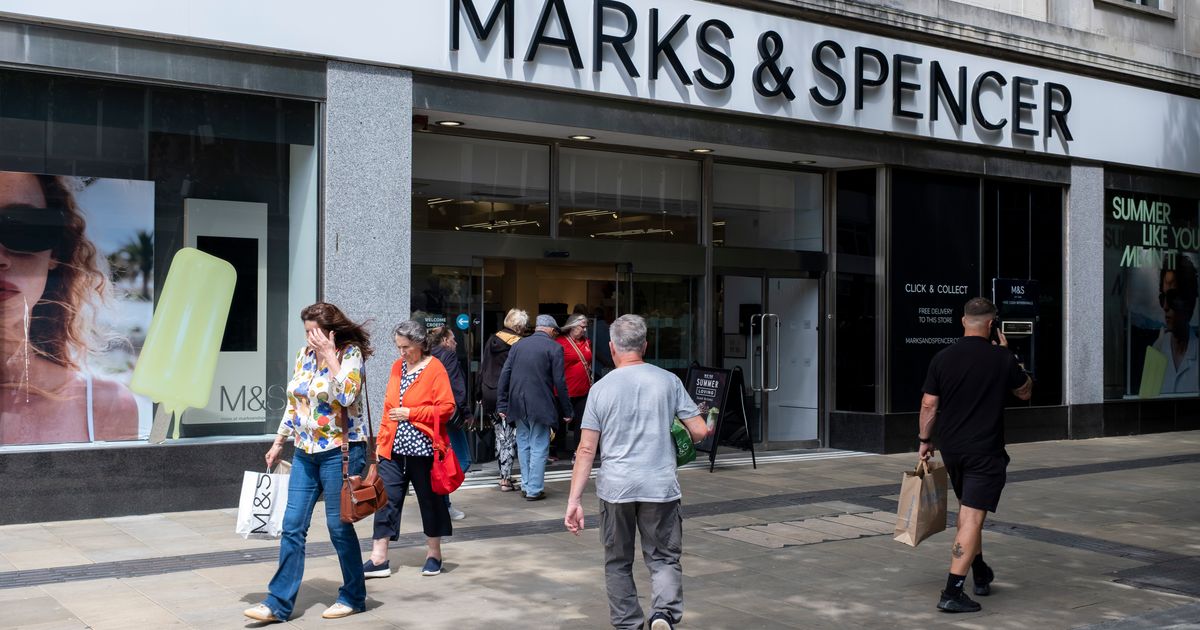
The Evolving Retail Landscape: Why M&S is Reshaping its Future
Marks & Spencer, an iconic name synonymous with the British high street, is undergoing a profound transformation. In an increasingly competitive and digital-first retail environment, the heritage brand has embarked on a strategic overhaul that involves significant store closures and a refocusing of its business model. This seismic shift, while deemed "vital" for the company's long-term survival, inevitably places M&S jobs at risk, sparking concerns among employees and industry watchers alike.
The decision to scale back its physical footprint is not taken lightly, reflecting a broader struggle for traditional retailers to adapt to changing consumer habits. With profits under pressure and shoppers increasingly gravitating towards online platforms, M&S is making tough choices to ensure its future relevance. These closures are more than just cost-cutting measures; they represent a fundamental reshaping of how M&S intends to operate in the 21st century retail landscape.
Understanding the Impact: M&S Jobs At Risk and the Strategic Imperative
The most immediate and visible consequence of M&S's strategic pivot is the impact on its workforce. The company initially confirmed plans to close up to 14 stores, putting nearly 500 jobs at risk. Six of these branches—Birkenhead, Bournemouth, Durham, Fforestfach in Swansea, Putney in south-west London, and Redditch—were slated to shut by the end of April, with M&S stating a commitment to moving all staff to other nearby branches. However, consultation was also underway for the closure of a further eight stores, including Andover, Basildon, Bridlington, Denton (an Outlet store), Falmouth, Fareham, Keighley, and Stockport. These eight stores collectively employed 468 staff, who were offered redeployment or, as a last resort, redundancy.
Sacha Berendji, M&S's director of retail, articulated the company's stance, emphasizing that "Stores will always be an integral part of our customer experience, alongside M&S.com, but we have to ensure we have the right offer in the right locations." While the company expressed a desire for no colleagues to leave M&S, acknowledging the potential need for redundancies underscores the gravity of these decisions. The Usdaw union, representing many M&S shop workers, voiced its "devastating news" sentiment, describing the incremental approach to restructuring as "extremely distressing" for staff.
Navigating Uncertainty: Advice for Affected Employees
For those facing the potential of M&S jobs at risk, this period can be incredibly stressful. It's crucial to understand your rights and explore all available options:
- Know Your Rights: Familiarize yourself with your contract, redundancy policies, and statutory rights regarding notice periods and severance pay. Union representatives, like Usdaw, can provide invaluable support and advice during consultation periods.
- Explore Redeployment: M&S has stated its intent to offer redeployment where possible. Be proactive in discussing potential roles in other stores or departments that might suit your skills and experience.
- Update Your CV: Even if you hope for redeployment, having an up-to-date CV and LinkedIn profile is essential. Highlight transferable skills such as customer service, teamwork, inventory management, and sales.
- Seek Support: Organizations like Citizens Advice can offer free, confidential advice on employment rights and benefits. Don't hesitate to reach out for emotional support from family, friends, or professional services.
- Consider Retraining: The retail sector is evolving. Explore opportunities for professional development or retraining in areas like digital marketing, e-commerce operations, or data analysis, which are increasingly in demand.
M&S's Blueprint for the Future: A Smaller, Smarter Footprint
These closures are not isolated incidents but part of a much larger, ambitious plan spearheaded by CEO Steve Rowe. The broader strategy involves closing around 30 full-line UK stores and converting or replacing 45 more with food-only outlets. This significant reduction in floor space dedicated to clothing and home reflects M&S's recognition that its traditional clothing business has struggled to compete with more agile, fashion-forward rivals and the sheer convenience of online shopping.
The shift towards food-only outlets leverages M&S's consistently strong performance in its food division, which often outperforms its general merchandise segment. By focusing on smaller, more accessible food stores, M&S aims to capture a greater share of the convenience grocery market and capitalize on its reputation for quality food products. This strategic pivot acknowledges that while customers may be less inclined to browse clothing in large out-of-town stores, they still value the M&S food experience in convenient locations.
Optimising Operations: Beyond Store Fronts
M&S's transformation extends beyond just its store portfolio. The company is actively working to become more efficient across all operations. This includes internal restructuring, such as outsourcing its 430-strong IT team and relocating a major clothing and homewares distribution centre from London to Welham Green, Hertfordshire. These moves are designed to streamline logistics, reduce operational costs, and improve the speed and reliability of its supply chain – critical factors in an age where fast, efficient delivery is paramount for online success.
The company has openly admitted to past "own goals," including a misfiring website and distribution network, which compounded challenges like high food prices and fierce market competition. Addressing these internal inefficiencies is crucial for M&S to truly thrive in its revamped model. Improving its digital infrastructure and ensuring a seamless online-to-offline customer journey will be key to winning back shopper loyalty and boosting overall sales.
Broader Implications for the UK High Street
M&S's restructuring is not an isolated event but a stark illustration of the seismic shifts impacting the entire UK high street. Traditional retailers across the board are grappling with similar challenges: declining footfall, rising operational costs (including increased minimum wage and business rates), and the relentless growth of e-commerce. As we've seen with other prominent names like Tesco, Sainsbury's, Debenhams, and House of Fraser implementing their own store management cuts and closures, the retail landscape is in a state of flux. For more insights into these broader trends, consider reading M&S Shuts Stores: The Fight for High Street Survival.
The comfort of online shopping means physical stores must offer something more than just products on a shelf. They need to provide an experience, convenience, or a unique service that cannot be replicated online. For M&S, this means smaller, more focused food stores, and for its remaining full-line stores, a renewed emphasis on curated collections and excellent customer service. The future of retail lies in a sophisticated online-offline hybrid model, where physical stores serve as complementary touchpoints for brand interaction, click-and-collect services, and immersive shopping experiences, rather than just transaction hubs.
Conclusion
The strategic decisions being made by Marks & Spencer, including widespread store closures, represent a painful but necessary step in safeguarding its future. While the reality of M&S jobs at risk is a deeply regrettable consequence, these actions are part of a broader, vital transformation aimed at enhancing efficiency, leveraging its strengths in food, and adapting to the irreversible shift towards online shopping. The high street giant's journey reflects the broader challenges facing traditional retail, where survival hinges on agility, innovation, and a keen understanding of evolving consumer demands. As M&S continues to accelerate its programme of "tough but necessary decisions," its ability to successfully integrate its physical and digital offerings will ultimately determine whether this iconic brand can once again reclaim its place as a leader in the British retail landscape.