The Immediate Impact: M&S Store Closures and the Hundreds of M&S Jobs at Risk
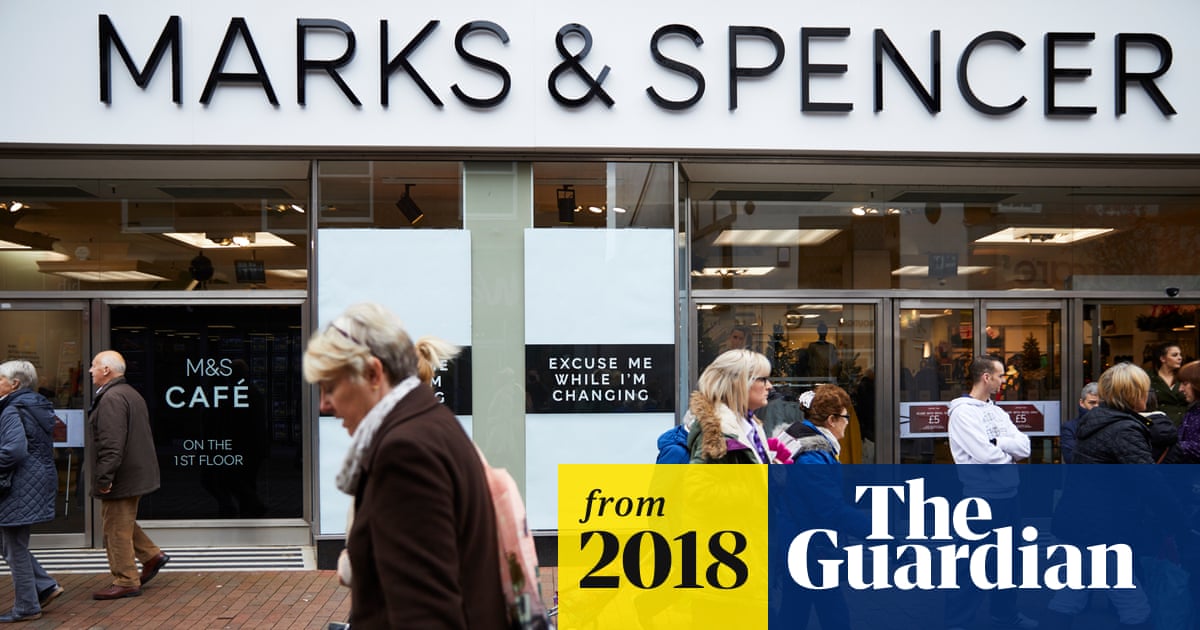
Marks & Spencer, a cornerstone of the British high street, is once again in the headlines as it confirms a significant round of store closures, placing nearly 500 jobs across the UK at risk. This strategic realignment, described by the retailer as "vital" for its long-term future, underscores the intense pressure facing traditional bricks-and-mortar stores in an increasingly digital shopping landscape. The news sends ripples of concern not only through the communities losing their local M&S but also across the wider retail sector, highlighting the ongoing struggle to adapt and survive.
The immediate impact targets 14 stores, with six confirmed for closure by the end of April. These include branches in Birkenhead, Bournemouth, Durham, Fforestfach in Swansea, Putney in south-west London, and Redditch. For staff at these locations, M&S has stated a commitment to redeploying them to other nearby branches, aiming to mitigate direct redundancies. However, a further eight stores are currently under consultation regarding their future. These are located in Andover, Basildon, Bridlington, Denton (an Outlet store east of Manchester), Falmouth, Fareham, Keighley, and Stockport. These eight stores collectively employ 468 staff, who face the possibility of either redeployment to other M&S outlets or, regrettably, redundancy. Separately, the closure of the long-standing M&S Oxford Street branch in Swansea has also been confirmed, impacting approximately 92 staff, with a consultation underway to explore alternative roles. The scale of these closures and the uncertainty they create for hundreds of individuals highlight the critical juncture M&S finds itself in.
Navigating the Storm: Why M&S is Reshaping Its Retail Footprint
The decision by Marks & Spencer to shutter stores and put hundreds of
M&S jobs at risk is not an isolated event but a calculated move within a broader, multi-year transformation strategy. The rationale behind these "tough but necessary decisions" is multifaceted, reflecting both internal challenges and external market forces.
Firstly, a fundamental shift in consumer behaviour is at play. Shoppers are increasingly migrating online, valuing the convenience and breadth of choice offered by e-commerce platforms. M&S, historically reliant on its physical presence, is striving to cut costs and boost its own online sales to remain competitive. This means ensuring it has "the right offer in the right locations," as articulated by Sacha Berendji, Director of Retail at Marks & Spencer.
Secondly, the competitive landscape is fiercer than ever. M&S faces pressure from a broad range of more fashionable rivals in clothing and a highly competitive supermarket sector for its food offering. This, combined with internal issues such as a reported sales slump over Christmas, a "misfiring website and distribution network," and high food prices, has compounded financial pressures.
Moreover, the entire retail industry is grappling with escalating operational costs. The increase in the legal minimum wage, higher business rates, and inflation linked to the post-Brexit fall in the value of the pound have squeezed profit margins for many high street mainstays, including M&S. To address these challenges, M&S has embarked on an ambitious plan to close 30 UK stores and convert or replace 45 more with food-only outlets, effectively cutting back on floor space devoted to clothing and homewares. This strategy is not just about closures but about becoming more efficient and reshaping the business for future profitability. For a deeper dive into the strategic shifts driving these decisions, explore our article on
Why M&S is Closing Stores and Reshaping Its Future.
The Human Element: Support and Outlook for Affected M&S Employees
While the headlines focus on corporate strategy and financial figures, at the heart of these store closures are the hundreds of individuals whose livelihoods are now uncertain. The phrase "
M&S jobs at risk" translates into real anxiety and disruption for dedicated staff, many of whom have served the company for years.
Unions have voiced their concern, with David Gill, national officer for Usdaw, describing the closures as "devastating news" and lamenting the "salami slicing approach to reorganising the business" for its distressing impact on staff. This sentiment resonates across communities where M&S stores have been long-standing fixtures, often employing multiple generations.
M&S has expressed its commitment to supporting affected colleagues, stating, "We don’t want any colleagues to leave M&S and we will work with each colleague individually on what is best for them as we endeavour to give everyone a role. However, we accept in some cases we may have to consider redundancy." For those facing redundancy, this support typically includes outplacement services, CV workshops, and advice on accessing benefits.
Practical Tips for Employees Facing Uncertainty:
- Utilise Internal Support: Take full advantage of any redeployment opportunities, training, or career counselling offered by M&S. This could mean a new role, location, or even a different department within the company.
- Update Your CV: Regardless of redeployment prospects, ensure your CV is up-to-date and highlights your skills, experience, and achievements. Be ready to explore external opportunities.
- Network: Connect with former colleagues, industry contacts, and use professional platforms like LinkedIn. Personal recommendations can be invaluable.
- Research the Market: Understand which other retailers or sectors are hiring in your area. Many retail skills are transferable to customer service, logistics, and even administrative roles.
- Stay Positive and Proactive: Job uncertainty is stressful. Focus on what you can control – your attitude, your job search efforts, and seeking support from family, friends, or professional bodies.
Beyond M&S: High Street Challenges and the Evolving Retail Landscape
The challenges faced by Marks & Spencer are by no means unique. The retail sector across the UK is undergoing a profound transformation, with many legacy brands struggling to adapt to changing consumer habits and economic pressures. M&S's decision to close stores mirrors similar moves by other high street giants. Tesco and Sainsbury’s have implemented store management cuts, putting thousands of jobs at risk, while department store chains like Debenhams and House of Fraser have also revealed plans to close or downsize stores.
The overarching narrative is clear: the traditional high street, once the undisputed hub of commerce and community, is struggling to draw shoppers away from the comfort and convenience of online shopping. The "comfort of the sofa" has become a potent competitor, forcing retailers to rethink their physical presence and integrate it seamlessly with their digital offerings.
This evolution signifies more than just a shift in where people buy goods; it represents a fundamental change in the purpose of physical retail. Stores are increasingly becoming showrooms, experience centres, or click-and-collect points, rather than just transaction hubs. Retailers must invest in creating compelling in-store experiences that cannot be replicated online, offering unique services, expert advice, or a sense of community. The fight for high street survival is ongoing, and M&S's current actions are a vivid illustration of this battle. To understand the broader context of how M&S's store closures fit into this wider struggle, read our article on
M&S Shuts Stores: The Fight for High Street Survival.
Charting a New Course: M&S's Strategic Vision for a Sustainable Future
Under the leadership of chief executive Steve Rowe, M&S is actively pursuing a comprehensive revival plan. The store closures and the unfortunate reality of hundreds of
M&S jobs at risk are part of a broader strategy aimed at making the business more efficient and resilient. This includes initiatives beyond just store portfolio rationalisation, such as selling off overseas stores, outsourcing its 430-strong IT team, and relocating a clothing and homewares distribution centre from London to Welham Green, Hertfordshire.
The strategic vision for M&S is to create a leaner, more agile operation that effectively integrates its physical and digital channels. The emphasis is on having a "right-sized" store portfolio that complements a robust online presence, ensuring that the brand can connect with customers wherever and however they choose to shop. The focus on converting stores to food-only outlets also highlights the relative strength of M&S Food, a segment that often performs strongly despite challenges in clothing and home.
These tough decisions, while painful in the short term, are deemed essential for the long-term health and relevance of Marks & Spencer. The company is committed to "accelerat[ing] the programme, taking tough but necessary decisions, as we focus on making M&S special," as stated by Sacha Berendji. This involves a continuous evaluation of its estate, investment in technology, and a renewed focus on product innovation and customer experience.
Conclusion
The news of M&S store closures and the nearly 500
M&S jobs at risk is a stark reminder of the seismic shifts impacting the retail industry. It reflects a challenging economic climate, evolving consumer habits, and the imperative for even the most established brands to adapt or face obsolescence. While the immediate impact on employees and communities is undoubtedly difficult, M&S views these actions as critical steps in reshaping its business for future sustainability. The ability of M&S to successfully navigate this transformation, balance its physical and digital offerings, and retain its unique appeal will be a defining factor in its continued presence on the British high street for decades to come. Meanwhile, for the affected M&S staff, the immediate future holds uncertainty, but also the opportunity to leverage their valuable skills and experience in a dynamic and evolving job market.